Introduction
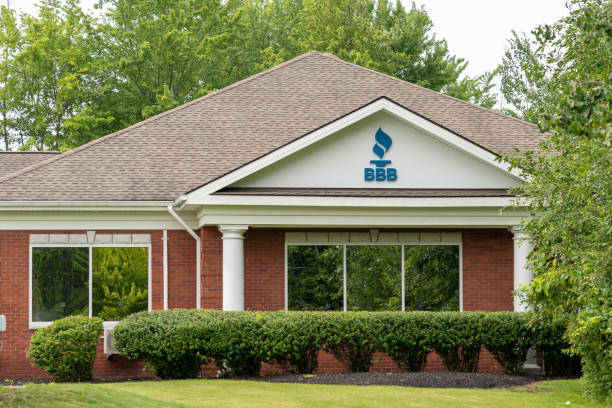
The Better Business Bureau — universally known as the BBB — is a non-profit organisation that has operated as a marketplace trust intermediary in North America for more than a century. Founded in 1912, the BBB’s mission has always centred on advancing marketplace trust between businesses and consumers. It does this through business accreditation programmes, business rating systems, consumer complaint resolution services, and consumer education resources. Understanding how the BBB works — both as a consumer looking for trustworthy businesses and as a business seeking accreditation — helps you use this long-standing institution effectively.
How BBB Ratings Work
The BBB rates businesses on a letter-grade scale from A+ through F, using a scoring methodology that evaluates 13 different factors. These factors include the business’s complaint history (both the number of complaints relative to business size and how effectively complaints were resolved), time in business (longevity indicates stability), licensing and regulatory compliance, known government actions against the business, advertising practice reviews, and the business’s willingness to engage with BBB processes. It is important for consumers to understand that a BBB letter rating is not an endorsement of the business’s quality of work or products — it is an assessment of how the business handles complaints and operates transparently. An A+ rating indicates a strong complaint resolution record and good standing with the BBB; an F rating indicates significant unresolved complaints, failure to respond to the BBB, or a known government action against the business.
BBB Accreditation: What It Means
BBB Accreditation is a separate distinction from a BBB rating — it is a paid membership that businesses apply for and that the BBB grants only to businesses that meet its defined standards of trust. Accredited businesses must meet BBB’s eight principles of trust: build trust, advertise honestly, tell the truth, be transparent, honour promises, be responsive, safeguard privacy, and embody integrity. Accredited businesses agree to mediation of disputes through the BBB’s process and pay annual membership fees scaled to business size. In exchange, they receive the right to display the BBB Accredited Business seal, appear with an accredited badge in BBB search results (giving them visibility alongside non-accredited competitors), and benefit from the trust signal the seal represents to consumers who use BBB as part of their vendor evaluation process. Importantly, accreditation does not guarantee a business is perfect — it indicates the business meets BBB’s ethical standards and has agreed to good-faith complaint resolution.
How to File a Complaint with the BBB
Consumers who have an unresolved dispute with a business can file a complaint through the BBB’s website at bbb.org. The online complaint form asks for the business name, location, and a description of the issue — including what happened, what you believe would resolve the situation, and the amount of money involved if relevant. The BBB forwards the complaint to the business and asks for a response within 14 days. The business’s response (or lack thereof) is shared with the complainant, and a resolution is sought through facilitated communication. The BBB acts as a neutral intermediary rather than a legal or regulatory body — it cannot compel businesses to take action, impose fines, or enforce agreements. However, for many businesses, particularly those that value their BBB rating, receiving a complaint from the BBB creates meaningful incentive to address customer issues. Complaints remain in the business’s BBB file for three years and are factored into the letter rating.
BBB Scam Tracker: Protecting Consumers
One of the BBB’s most valuable consumer-facing tools in recent years is the BBB Scam Tracker — a crowdsourced database of reported scams that consumers can search to identify known fraud patterns before becoming a victim. Consumers who have encountered a scam — whether they lost money or simply recognised the attempt — can report it to the Scam Tracker, which makes the information searchable by scam type, business name, or contact information. This has created a valuable real-time resource for identifying emerging fraud trends including fake job postings, online purchase scams, investment fraud, home improvement scams, and government impersonation schemes. Before making a significant purchase from an unfamiliar business or responding to an unsolicited offer, checking the BBB Scam Tracker for patterns matching the situation takes only moments and can prevent significant financial harm.
Limitations of the BBB System
While the BBB provides genuinely useful tools for marketplace trust, it is important to understand its limitations. The BBB is a private organisation, not a government agency, and has no legal authority to enforce consumer protections or compel businesses to take action. Rating manipulation has been documented historically — the fee-based accreditation model has been criticised for potential conflicts of interest when accredited businesses receive favourable treatment in complaint processes. A high BBB rating does not guarantee quality work — a business could have zero complaints simply because few customers chose to complain through the BBB specifically rather than through other channels. Consumers should use BBB ratings as one input among several — alongside Google Reviews, Yelp, Trustpilot, industry-specific review platforms, and personal recommendations — rather than as a definitive quality signal.
Frequently Asked Questions
Is BBB accreditation worth it for a business? For businesses serving a consumer market where trust signals matter — particularly in home services, financial services, or healthcare — BBB accreditation provides a recognisable trust marker. Is BBB free for consumers? Yes — consumers can search, review, and file complaints at bbb.org at no cost. What should I do if a business has an F rating? Proceed with extreme caution, investigate specific complaints in detail, and consider alternative vendors if quality assurance concerns are present.
Conclusion
The Better Business Bureau has evolved significantly from its origins as a local business trust organisation into a national platform for consumer complaint resolution, business rating, scam tracking, and marketplace education. It remains a useful — if imperfect — tool in the consumer toolkit for evaluating unfamiliar businesses and resolving disputes. Used alongside other review sources and with an understanding of its limitations, the BBB provides genuine value in navigating marketplace trust decisions.
⚠ Disclaimer
This article is for informational and educational purposes only. BBB ratings, accreditation status, and business profiles change over time. Always verify current BBB standing directly at bbb.org before making decisions based on a business’s rating. The BBB is a private organisation and its ratings should be considered alongside other available sources of business reputation information.